PCOS Treatment in Faridabad
If you've been googling "PCOS treatment in Faridabad" at midnight because your periods have gone haywire again, take a breath. You're dealing with one of the most common hormonal conditions in women today, and the good news is that it's manageable once you get the right diagnosis.
PCOS, or polycystic ovary syndrome, affects roughly one in five women of reproductive age in India, according to data from the Indian Council of Medical Research. That's not a rare diagnosis. It's something gynaecologists across Faridabad see every single week.
In my experience talking to women dealing with this, the hardest part isn't the treatment itself. It's the confusion leading up to diagnosis, the months of unexplained weight gain, irregular cycles, or acne that nobody quite connects to a hormonal root cause.
Understanding What PCOS Actually Does to Your Body
PCOS isn't just about ovarian cysts, despite the name. It's a hormonal imbalance that affects ovulation, metabolism, and sometimes your skin and hair growth patterns too.
Here's the short version of what's happening internally. Your ovaries produce slightly higher levels of androgens, male hormones that all women have in small amounts. This throws off your regular ovulation cycle and can lead to a cluster of symptoms that vary wildly from person to person.
That variation is exactly why PCOS treatment in Faridabad needs to be personalized rather than following a generic checklist. What works for your friend might not work for you, even if your symptoms look similar on paper.
Common Symptoms Women Often Dismiss
- Irregular or missed periods for several months at a stretch
- Sudden or stubborn weight gain, especially around the abdomen
- Acne that doesn't respond to typical skincare
- Excess facial or body hair growth
- Thinning hair on the scalp
- Difficulty conceiving despite regular trying
I've noticed that most women experience two or three of these symptoms for years before anyone connects the dots to PCOS. There's nothing wrong with you for not catching it sooner. The symptoms genuinely overlap with a dozen other conditions.
How Doctors Diagnose PCOS in Faridabad
Diagnosis usually isn't a single test. It's a combination of factors that a gynaecologist pieces together over one or two visits.
Clinical History and Symptom Review
Your doctor will ask about your cycle history, weight changes, and skin or hair symptoms. Be honest here, even about things that feel embarrassing. It genuinely helps narrow down the diagnosis faster.
Ultrasound Imaging
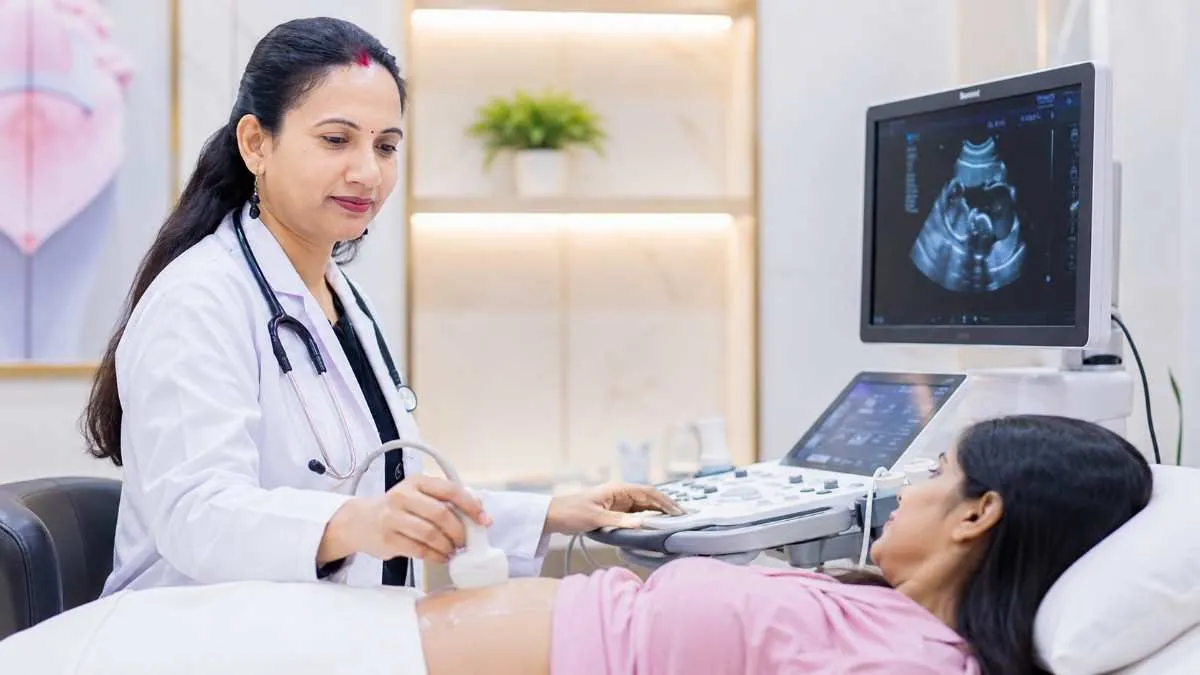
A pelvic ultrasound checks for the characteristic multiple small follicles on the ovaries. Despite popular belief, you don't need cysts visible on a scan to be diagnosed with PCOS. Some women have textbook PCOS without that specific finding.
Hormonal Blood Tests
These check androgen levels, insulin resistance markers, and thyroid function, since thyroid issues can mimic PCOS symptoms closely enough to cause misdiagnosis if skipped.
When I tried walking a friend through this process before her appointment, she was surprised that thyroid testing was even part of it. It is, and it matters.
What Effective PCOS Treatment in Faridabad Actually Looks Like
There's no single cure for PCOS, but there's a lot of room to manage it well. Treatment generally falls into three categories depending on your symptoms and what you're trying to achieve, whether that's regulating periods, managing weight, or improving fertility.
Lifestyle and Dietary Adjustments
This is almost always the first step, and it's underrated. Even a modest 5 to 10 percent reduction in body weight can restore ovulation in many PCOS cases, according to research published in the Journal of Clinical Endocrinology. That's not a dramatic transformation. It's genuinely achievable with consistent small changes.
Medication for Symptom Management
Depending on your specific symptoms, your gynaecologist might recommend medication to regulate cycles, manage insulin resistance, or address excess androgen effects like acne or hair growth. This isn't one-size-fits-all, and adjustments are common in the first few months.
Fertility-Focused Treatment
If you're trying to conceive, treatment shifts focus toward inducing regular ovulation. This is where working with a specialist who understands both PCOS and fertility, like Dr. Sabita, makes a real difference, since the two areas overlap more than people expect.
Top Specialists for PCOS Treatment in Faridabad
Faridabad has a solid roster of gynaecologists experienced in hormonal health. Here are five names that consistently come up when women discuss PCOS care in the city.
1. Dr. Sabita Kumari, Accord Hospital
With 16 years of practice and training in minimally invasive procedures at AIIMS New Delhi, Dr. Sabita has built strong experience managing PCOD and related hormonal conditions. Her approach leans toward personalized treatment plans rather than generic prescriptions, something patients frequently mention in feedback. Her background with QRG Health City and Apollo Hospital Delhi adds further depth to her clinical experience.
2. Asian Institute of Medical Sciences
Offers a dedicated gynaecology department with hormonal health evaluation as part of broader women's care services.
3. Sarvodaya Hospital
A well-established name handling a wide range of gynaecological conditions, including hormonal imbalances like PCOS.
4. Metro Heart Institute with Multispecialty
Useful if you're managing PCOS alongside other conditions like diabetes or thyroid issues, since coordinated care across departments helps.
5. QRG Health City
Known for experienced consultants often consulted for complex hormonal cases requiring detailed evaluation.
This isn't a definitive ranking. The right specialist depends on your specific symptoms, whether fertility is a priority, and how comfortable you feel during your first consultation.
Living With PCOS Day to Day
Treatment helps, but a lot of PCOS management happens outside the clinic too. Small, sustainable habits tend to outperform dramatic short-term fixes.
- Prioritize regular movement over intense workouts you can't sustain
- Focus on balanced meals with protein and fiber rather than strict elimination diets
- Track your cycle even loosely, since patterns help your doctor adjust treatment
- Don't skip follow-up appointments even when symptoms improve temporarily
I've noticed that women who track even basic symptoms, like cycle length or energy levels, tend to have more productive follow-up conversations with their doctor. It turns a vague "I think I'm doing better" into something your gynaecologist can actually work with.
When to See a Gynaecologist About PCOS
You don't need every symptom on the list to justify a visit. If your periods have been irregular for more than three consecutive cycles, or you're noticing unexplained weight gain alongside acne or excess hair growth, that's reason enough to get checked.
Waiting it out rarely helps with PCOS. The earlier it's diagnosed, the easier it generally is to manage long term, especially if fertility is something you're thinking about for the future.
Final Thoughts
PCOS can feel overwhelming when you're first diagnosed, but it's one of the more manageable hormonal conditions once you have a clear treatment plan. The right specialist will look at your specific symptoms rather than handing you a generic pamphlet and sending you on your way.
Take the time to find a gynaecologist you feel comfortable being honest with. PCOS treatment works best when it's a genuine back-and-forth conversation, not a one-time prescription you're left to figure out alone.