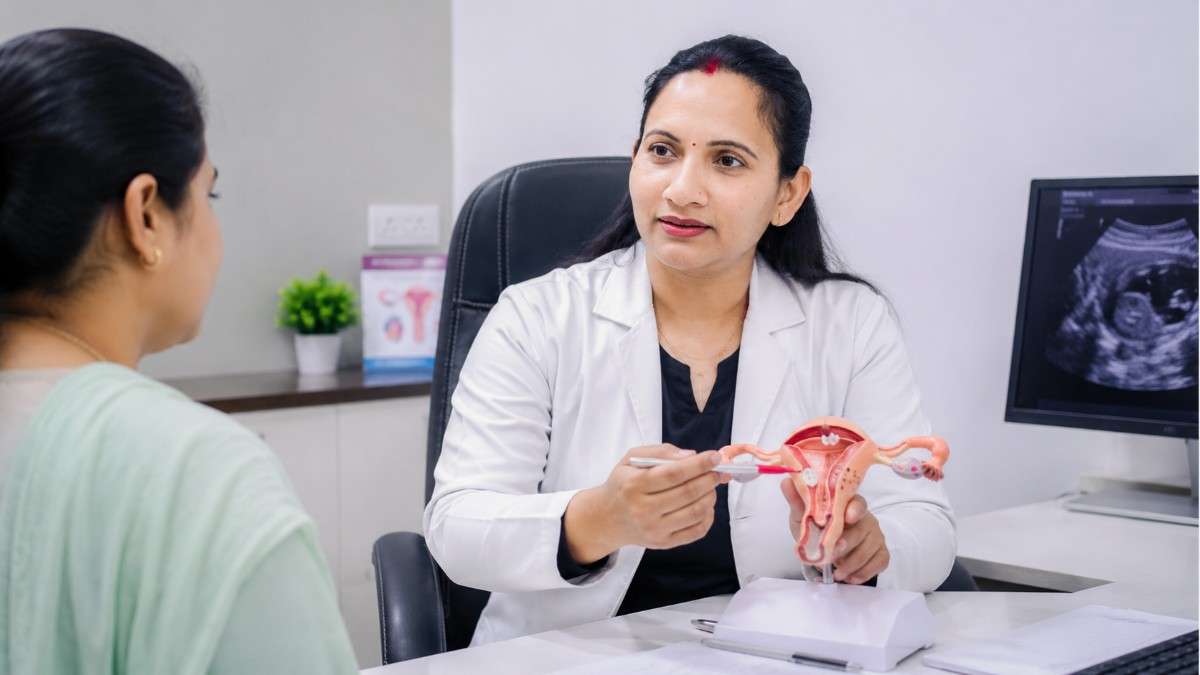
This guide covers every major type of gynaecological and obstetric endoscopy, what each one is used for, what the experience is actually like, and what you should ask before agreeing to anything.
What Does Endoscopy Mean in the Context of Obstetrics and Gynaecology?
The word endoscopy simply refers to looking inside the body using a thin, flexible or rigid instrument fitted with a camera and light source. In the context of women's health, endoscopies in obstetrics and gynaecology are used to examine the uterus, ovaries, fallopian tubes, cervix, and even the developing foetus during pregnancy.
What makes these procedures remarkable is what they replaced. A generation ago, investigating unexplained pelvic pain or confirming a diagnosis of endometriosis required open abdominal surgery. Hospital stays of a week or more were standard. Recovery was long and often difficult.
Today, the same diagnosis can be confirmed through a 30-minute laparoscopy with two or three tiny incisions, and many women are home the same day or the next morning. That shift is not incremental. It is transformative.
The Main Types of Endoscopies Used in Obstetrics and Gynaecology
Not all endoscopies are the same. Each type targets a different part of the reproductive system and serves a specific clinical purpose. Here is a clear breakdown.
Laparoscopy
Laparoscopy is the most widely performed endoscopy in gynaecology. A slim camera called a laparoscope is inserted through a small incision near the navel, allowing the surgeon to visualise the uterus, ovaries, fallopian tubes, and surrounding pelvic structures in real time.
It is used both diagnostically and operatively. Diagnostically, it confirms conditions like endometriosis, pelvic inflammatory disease, and the cause of unexplained infertility. Operatively, it allows the surgeon to remove ovarian cysts, excise endometriotic tissue, release pelvic adhesions, manage ectopic pregnancies, and perform myomectomies for fibroids located on or within the uterine wall.
In my experience, patients are often surprised by how straightforward the recovery is after laparoscopy. Most women manage with simple pain relief for two or three days and return to their normal routine within a week. The shoulder tip pain from the carbon dioxide gas used to inflate the abdomen is the most commonly unexpected symptom, but it resolves within 24 to 48 hours.
Hysteroscopy
If laparoscopy looks at the outside of the uterus and surrounding structures, hysteroscopy looks inside. A thin telescope is passed through the cervix directly into the uterine cavity — no incision required.
Hysteroscopy is used to identify and treat uterine polyps, fibroids growing inside the cavity, a uterine septum, intrauterine adhesions (Asherman's syndrome), and the causes of abnormal uterine bleeding. It is also used in fertility workups when repeated implantation failure during IVF cannot be explained by other investigations.
Operative hysteroscopy allows the surgeon to remove polyps or fibroids, divide a uterine septum, or release adhesions during the same procedure. This is one of the clearest examples of how endoscopies in obstetrics and gynaecology have collapsed what used to be a two-step process into one.
Colposcopy
Colposcopy is less invasive than both laparoscopy and hysteroscopy and does not involve any incision. A colposcope, which is essentially a magnifying instrument with a light, is used to examine the cervix in detail after an abnormal Pap smear result.
It allows the gynaecologist to identify areas of cervical abnormality that are not visible to the naked eye and to take a targeted biopsy if needed. It is a critical part of the cervical cancer screening pathway and one of the most commonly performed outpatient gynaecological procedures in India.
Fetoscopy
Fetoscopy sits in the obstetric half of this field. A thin endoscope is introduced into the uterine cavity during pregnancy to visualise and sometimes perform procedures on the developing foetus. It is used for conditions such as twin-to-twin transfusion syndrome, foetal abnormalities that may be correctable in utero, and certain placental complications.
It is a highly specialised procedure, performed at relatively few centres in India, and is reserved for specific foetal conditions where the clinical benefit outweighs the procedural risk.
Cystoscopy and Ureteroscopy in Gynaecological Oncology
In cases involving gynaecological cancers or complex pelvic surgery, cystoscopy (examining the bladder) and ureteroscopy (examining the ureters) are sometimes performed alongside gynaecological procedures to assess or protect the urinary tract. These are more commonly seen in oncological and advanced reconstructive gynaecological surgery.
When Are Endoscopies in Obstetrics and Gynaecology Actually Necessary?
This is the question most women genuinely want answered. Not every symptom requires an endoscopy, and a good specialist will always try appropriate conservative management first.
Endoscopy is typically considered when:
- Imaging investigations (ultrasound, MRI) have not provided a clear diagnosis despite ongoing symptoms
- A condition has been identified on imaging that requires surgical treatment rather than medication alone
- Fertility investigations have been inconclusive and a structural cause needs to be ruled out or confirmed
- Abnormal cervical screening results require closer examination and possible biopsy
- An ectopic pregnancy has been confirmed and requires surgical management
- Recurrent pregnancy loss is being investigated for uterine structural causes
- Endometriosis is clinically suspected but cannot be confirmed without direct visualisation
When I tried mapping the most common pathways that lead women to a laparoscopy or hysteroscopy, the single most consistent thread was delayed presentation. Women had often been managing symptoms for a year or more before an endoscopy was even discussed. Earlier investigation consistently leads to better surgical outcomes and less extensive disease at the time of intervention.
What Does Recovery Look Like Across Different Endoscopic Procedures?
Recovery varies significantly depending on which procedure you have had and whether it was purely diagnostic or operative.
For diagnostic laparoscopy, most women feel well enough to move around the day after surgery and resume light activity within three to five days. Operative laparoscopy for complex endometriosis or large cyst removal may require seven to fourteen days of rest.
Hysteroscopy recovery is typically faster. Many women experience only mild cramping for a day or two and return to normal activities almost immediately. Light vaginal discharge or spotting for a few days is normal.
Colposcopy involves no recovery period to speak of. You may experience light spotting if a biopsy was taken, but most women leave the clinic and carry on with their day.
The key across all of these is following your surgeon's specific post-operative instructions rather than comparing your recovery to a friend's. Every case is different, and what was straightforward for someone else may have been more involved for you.
Choosing a Specialist for Gynaecological Endoscopy in India
The difference between a competent gynaecological endoscopist and an exceptional one is not always visible until you are already on the operating table. Here is how to assess a surgeon before that point:
- Confirm they have dedicated training in minimally invasive gynaecological surgery. General gynaecology training does not automatically include advanced laparoscopic or hysteroscopic skills.
- Ask about their operative volume. High-volume laparoscopic surgeons maintain better outcomes, particularly for complex cases involving endometriosis or adhesions.
- Check their willingness to explain the procedure in plain terms. A surgeon who cannot clearly explain why you need a specific endoscopy, what they expect to find, and what happens next is not communicating adequately.
- Ensure their hospital has appropriate infrastructure. Modern laparoscopic tower systems, experienced anaesthesiology, and proper post-operative monitoring are non-negotiable.
- Ask about the plan if they find something unexpected during a diagnostic procedure. Do they proceed operatively in the same session? Or do they close and bring you back? The answer reveals their surgical confidence and planning.
Dr. Sabita Kumari: A Trusted Name in Endoscopic Gynaecology
Among gynaecological endoscopy specialists in the Delhi NCR region, Dr. Sabita Kumari is a name that regularly comes up in conversations about laparoscopic and hysteroscopic expertise. Based at Accord Hospital in Faridabad, she brings over 16 years of focused experience in both obstetrics and gynaecological surgery.
Her practice covers the full spectrum of endoscopies in obstetrics and gynaecology — from diagnostic laparoscopies for unexplained pelvic pain and infertility workups, to operative procedures for endometriosis, ovarian cysts, fibroids, and uterine structural abnormalities.
I have noticed through detailed patient feedback that what sets Dr. Sabita apart is the quality of her pre-operative counselling. Patients consistently describe feeling genuinely prepared for their procedure, understanding both what will happen surgically and what the realistic outcomes are. That level of preparation is not universal among surgeons, and it matters enormously for how women experience and recover from these procedures.
For consultations, both in-person at Accord Hospital and online for patients outside Faridabad, you can reach Dr. Sabita's clinic at +91 9310600209. She is also active on Instagram at @drsabitasavvy, where she regularly shares clear, accessible content on gynaecological health topics including endoscopic procedures.