Few terms confuse women more than PCOS and PCOD. Friends use them as if they mean the same thing, websites switch between them, and even prescriptions sometimes do. If you have been told you have one of them, or you are searching for answers because your periods are irregular and your skin or weight has changed, it helps to know what each term actually means. This guide explains PCOS vs PCOD in plain language, how they differ, and what treatment really involves.
What Does PCOD Mean?
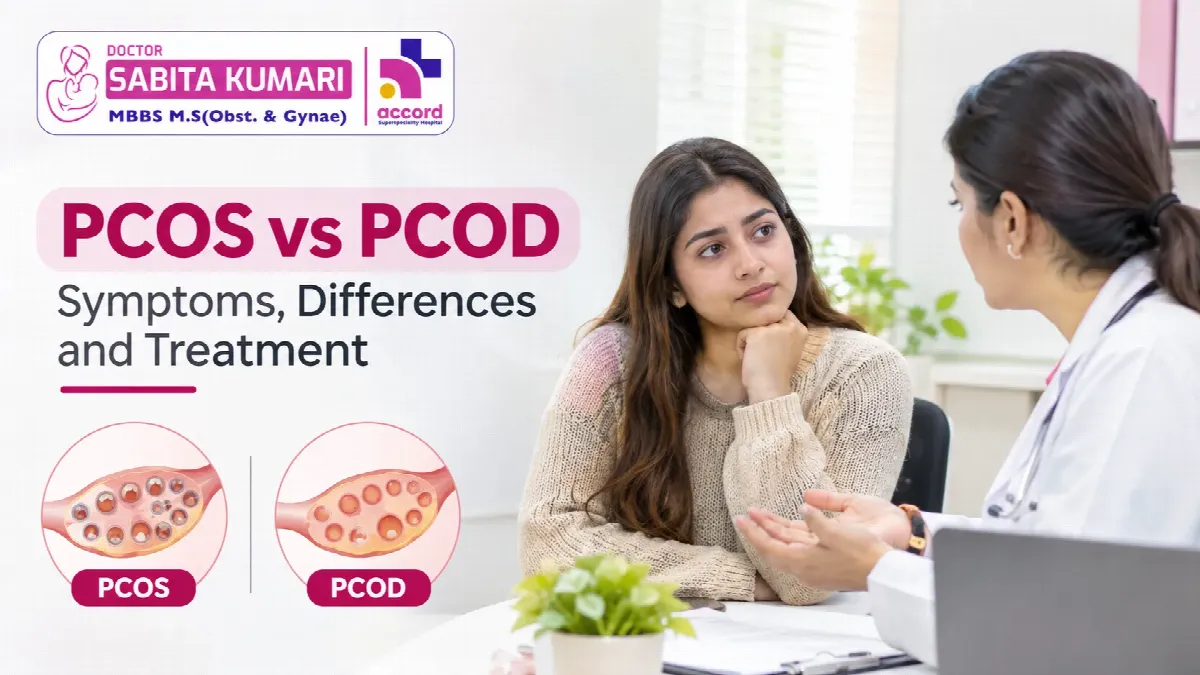
PCOD stands for polycystic ovarian disease. In this condition the ovaries release many immature or partly mature eggs, which can turn into small fluid-filled sacs called follicles. Hormonal imbalance, often linked to lifestyle, weight and stress, is the usual background. PCOD is very common, and most women with it can still ovulate and conceive, sometimes with minor help.
What Does PCOS Mean?
PCOS stands for polycystic ovary syndrome. It is a wider metabolic and hormonal condition, not just a problem of the ovaries. Women with PCOS often have higher levels of male hormones (androgens) and insulin resistance. This affects ovulation, periods, skin, hair, weight and long-term health, including the risk of diabetes and heart disease.
PCOS vs PCOD: The Main Differences
- Nature of the condition: PCOD is generally described as an ovarian condition linked to hormonal imbalance, while PCOS is considered a syndrome that affects the whole body.
- Ovulation: in PCOD ovulation is often irregular but still happens. In PCOS ovulation may be rare or may stop altogether.
- Severity: PCOD is usually milder and responds well to lifestyle change. PCOS tends to need closer medical follow-up.
- Fertility: many women with PCOD conceive naturally. With PCOS, getting pregnant can take longer and treatment is more often needed.
- Metabolic risk: insulin resistance, diabetes and high cholesterol are more strongly linked with PCOS.
It is worth saying clearly that doctors do not always draw this line the same way. Many gynecologists and international guidelines use PCOS as the main medical term, and the practical question is not the label but how your own hormones, cycles and scans look.
Symptoms Both Conditions Share
The symptoms overlap a great deal, which is why the two are so often confused:
- Irregular, delayed or missed periods
- Heavy or very light bleeding when periods do come
- Weight gain, especially around the abdomen
- Acne and oily skin
- Excess hair on the face, chest or abdomen
- Thinning hair on the scalp
- Darkening of skin on the neck or underarms
- Difficulty getting pregnant
- Mood changes and tiredness
What Causes PCOS and PCOD?
The exact cause is not fully understood, but several factors play a part. Insulin resistance makes the body produce more insulin, which pushes the ovaries to make more androgens. Family history raises the chance, so if your mother or sister has it, you are more likely to as well. Low physical activity, weight gain, poor sleep and chronic stress can make symptoms worse, although slim women can have PCOS too.
How Are They Diagnosed?
There is no single test. The doctor looks at your menstrual history and symptoms, examines you, and combines this with tests. Commonly advised investigations include:
- Pelvic or transvaginal ultrasound to look at the ovaries and the uterine lining
- Blood tests for hormones such as LH, FSH, testosterone and prolactin
- Thyroid function tests, since thyroid problems can look similar
- Fasting sugar, insulin and cholesterol to check for metabolic effects
Having cysts seen on a scan does not automatically mean you have PCOS. Doctors usually need at least two of three features: irregular or absent ovulation, signs of high androgens, and polycystic-appearing ovaries, after other causes are excluded.
Treatment: What Actually Helps
Lifestyle changes come first
Even a modest weight loss of five to ten percent can bring periods back on track and improve ovulation. Regular exercise, balanced meals with fibre and protein, fewer refined carbohydrates and sugary drinks, enough sleep and stress control are the foundation of treatment for both conditions.
Medicines for periods and hormones
Hormonal pills can regularise cycles, protect the uterine lining and reduce acne and excess hair. Medicines that improve insulin sensitivity are sometimes used when blood sugar is affected. Anti-androgen medicines may be added for stubborn hair and skin symptoms. The choice depends on whether you want to conceive.
Fertility treatment
If you are trying for a baby, ovulation-inducing tablets are often the first step, with ultrasound monitoring. If these do not work, further options exist. You can read more about infertility evaluation and treatment for what to expect.
Long-term follow-up
PCOS is a long-term condition. Regular checks of weight, blood pressure, blood sugar and cholesterol, and attention to the uterine lining if periods are very infrequent, help prevent complications later in life.
For a detailed look at managing the condition, see our guide on PCOS treatment in Faridabad, and the PCOD treatment page for services.
Can PCOS or PCOD Be Cured?
Neither can be cured in the sense of disappearing forever, but both can be controlled very well. Many women see their cycles become regular and symptoms fade with steady lifestyle changes and the right treatment, and most go on to have healthy pregnancies. The aim is to manage symptoms, protect long-term health and support fertility when you want it.
When to See a Gynecologist
Do not wait if your periods are fewer than eight a year, if you skip periods for three months, if you have been trying to conceive for six to twelve months, or if acne, hair growth or weight gain are affecting your confidence. Early advice makes treatment simpler. You can learn more about the doctor on the about page.
Consult Dr. Sabita in Faridabad
Dr. Sabita Kumari is a gynecologist in Faridabad who treats hormonal and menstrual disorders with a personalised plan rather than a one-size-fits-all pill. To book a consultation call +91 9310600209 or use the contact page. This article is for general information and does not replace medical advice.
PCOS and Mental Health
Living with irregular periods, acne, unwanted hair and weight changes affects how many women feel about themselves. Anxiety, low mood and poor body image are more common in women with PCOS than in those without it, and this is not simply in the mind. Hormonal and insulin changes play a role, and so does the stress of dealing with a long-term condition. If you feel low for more than two weeks, struggle to sleep, or notice that your symptoms are affecting work or relationships, tell your doctor. Support, counselling and treatment of the underlying condition can make a real difference.
Everyday Habits That Make a Difference
- Walk briskly or exercise for at least thirty minutes most days of the week
- Choose whole grains, pulses, vegetables and fruit over refined flour and sweets
- Do not skip breakfast, and avoid very long gaps between meals
- Sleep seven to eight hours, as poor sleep worsens insulin resistance
- Limit packaged snacks, fried food and sugary drinks
- Track your periods in a diary or an app so you can show patterns to your doctor
- Avoid crash diets, which can make hormones and periods worse
Remember that progress with PCOS is usually gradual. Cycles may take three to six months of consistent changes to settle, so do not be discouraged if results are not immediate. Regular follow-up lets your doctor adjust medicines, check your blood tests and celebrate the improvements with you.
Common Myths About PCOS and PCOD
One common belief is that only overweight women get PCOS. In fact, lean women can have it too, and they should be evaluated in the same way. Another myth is that you cannot get pregnant. Most women with PCOS or PCOD conceive, some on their own and some with a little help. A third myth is that birth control pills are the only treatment, when in truth the plan depends on your symptoms and whether you want a baby. Finally, many women think that removing the cysts surgically is the answer, but ovarian surgery is rarely needed and is reserved for selected cases.